
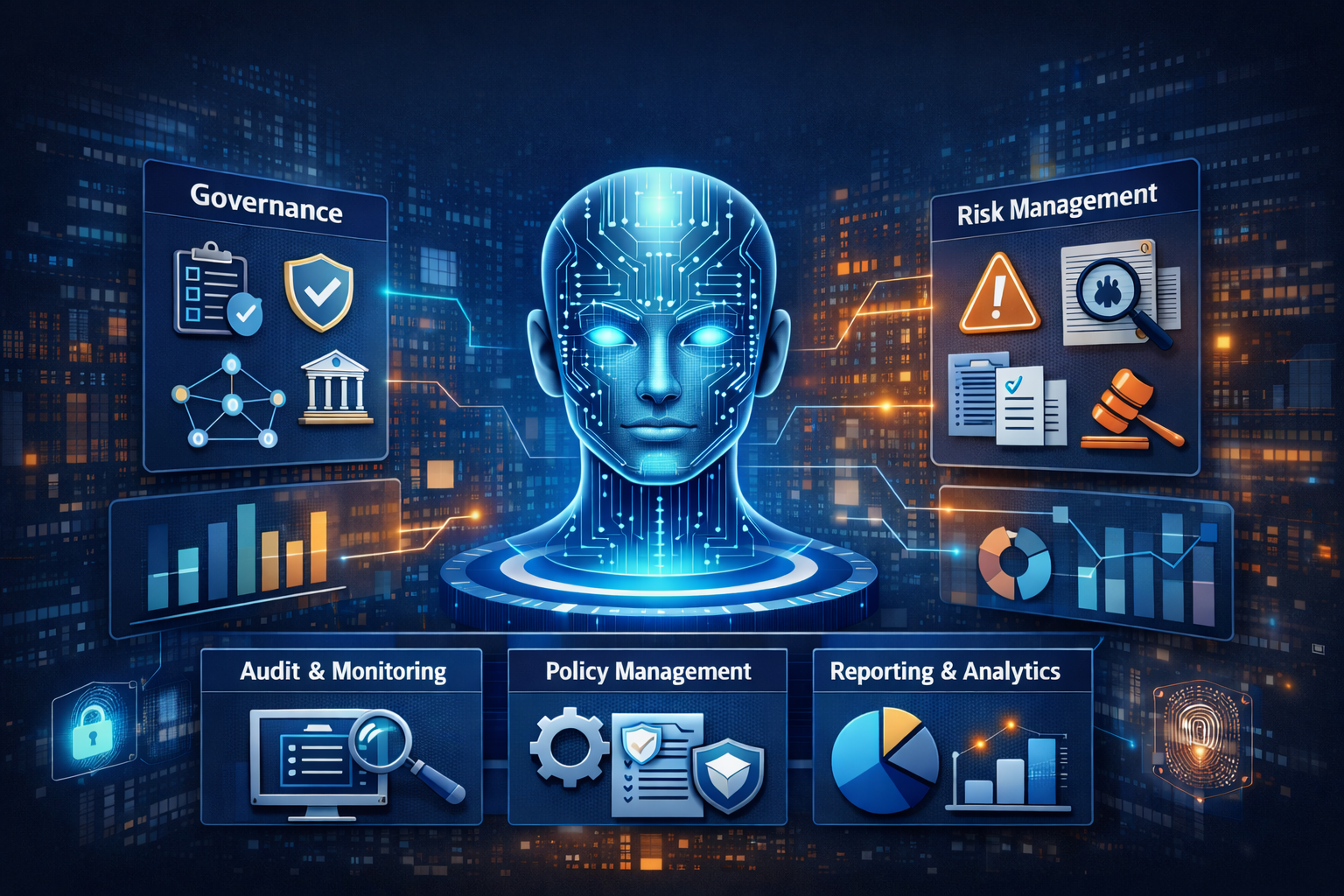
AI is radically reshaping how we approach Governance, Risk, and Compliance (GRC) in 2026. The old compliance model of periodic audits and spreadsheets simply can’t keep up with today’s pace. With regulations growing more complex and business environments moving faster, the shift to AI-powered, real-time compliance isn’t just helpful, it’s essential to keep companies afloat.
Why Does Traditional GRC No Longer Work?
Manual compliance was built for a slower world. Relying on spreadsheets, periodic risk assessments, and after-the-fact audits leaves dangerous visibility gaps. Threats emerge and remain undetected for weeks. Deals stall when evidence is scattered across systems. It’s no surprise that organisations are hitting their breaking point.
How Does AI Change Governance, Risk and Compliance?
AI-native GRC platforms turn compliance from a reactive task into a proactive, continuous process. Instead of chasing evidence or scrambling before audits, we can now rely on intelligent systems built with multiple AI agents that handle compliance end-to-end. Here’s how:
1. Automated Evidence Collection
AI agents log into systems, handle multi-factor authentication, adapt to UI changes, and collect evidence in real time – even from systems without APIs. They map findings directly to frameworks like SOC 2, cutting down on tedious crosswalks and errors.
2. Continuous Control Monitoring
Rather than waiting for the next audit, AI systems track your controls constantly. If an IAM policy or cloud config drifts from baseline, you get notified immediately. By 2026, Gartner predicts 70% of enterprises will bake compliance into DevOps pipelines, reducing risk overhead by 15% or more.
3. Predictive Risk Analysis
AI doesn’t just report the past, it predicts the future. By analysing control data, threat intel, and regulatory updates, it forecasts compliance gaps before they show up in an audit. This is a major leap from reactive to proactive risk management.
4. Intelligent Remediation
When a control fails, AI generates environment-specific remediation steps, not just generic advice. This speeds up fixes and ensures the root problem is addressed properly.
The numbers speak for themselves: organisations using AI for GRC save an average of $2.2 million per breach and detect threats 98 days faster.
Which Regulations Are Driving Faster AI Adoption?
Regulatory pressure is accelerating and AI is becoming a necessity for compliance:
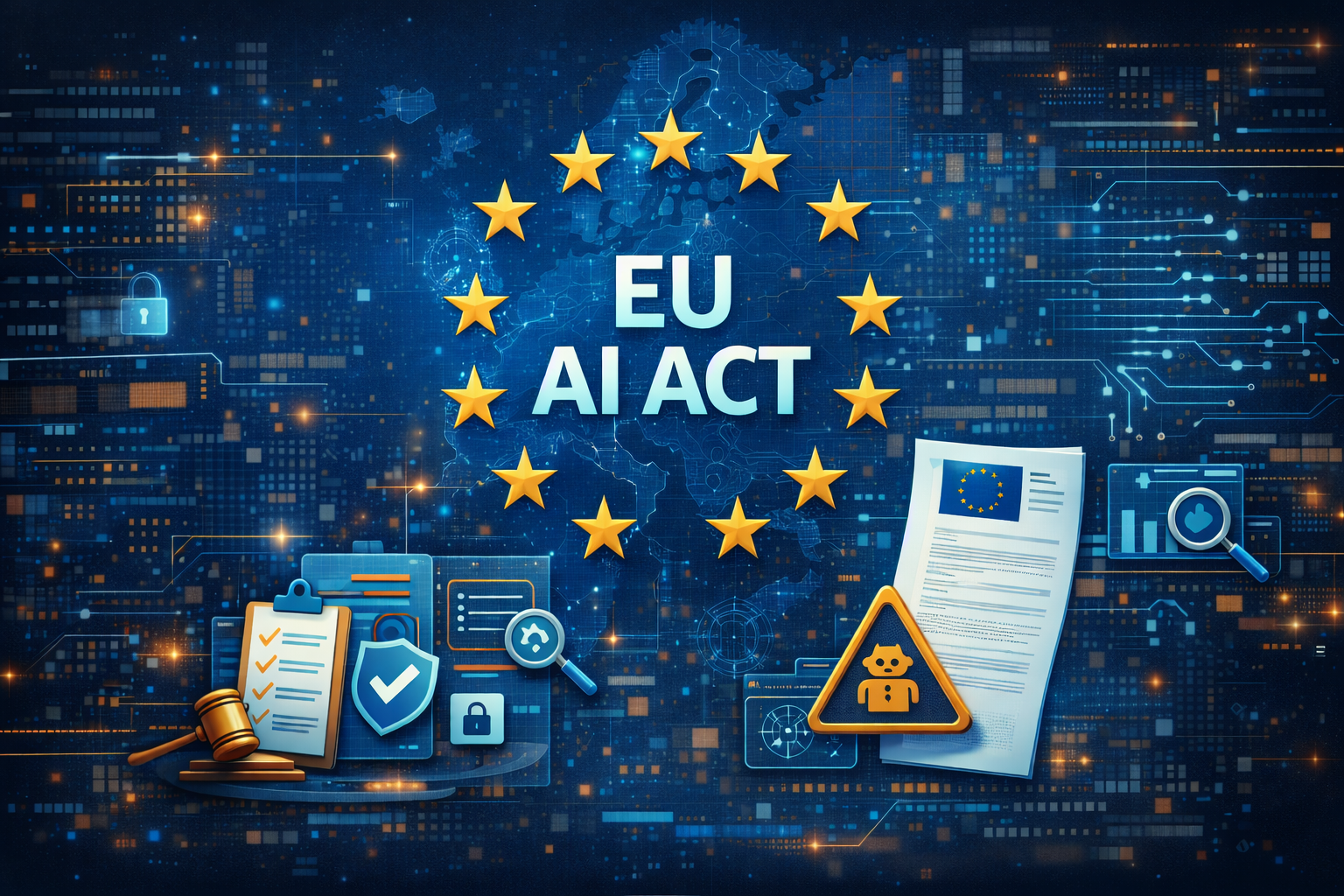
- EU AI Act (effective August 2026) mandates risk assessments, transparency, human oversight and governance controls for high-risk AI systems.
- NIST AI RMF offers practical guidance to map, govern, measure, and manage AI risk.
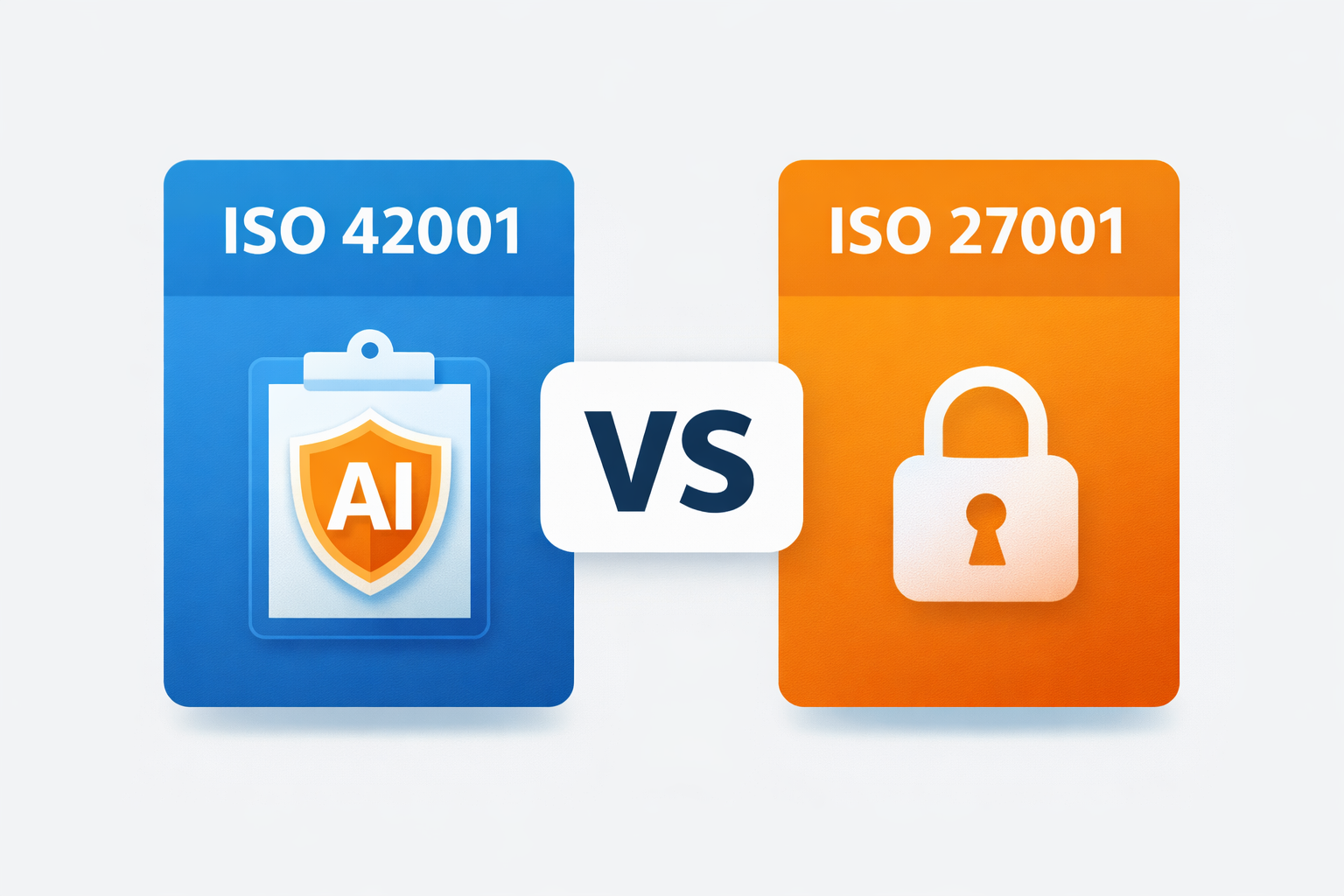
- ISO 42001, the first global standard for AI management systems, operationalises responsible AI development.
At the same time, demand for traditional frameworks like SOC 2 and ISO 27001 is growing. Manual methods can’t keep up with this multi-framework environment.
AI-Native vs. AI-Bolted GRC Platforms
Not all AI compliance tools are created equal. We’ve seen the difference firsthand:
- AI-native platforms are built from the ground up for automation. They handle evidence collection, questionnaire completion, remediation, and even code scanning without adding engineering overhead.
- AI-bolted tools tack on AI features to old legacy platforms. They may automate one part of the workflow, but still depend on manual work for core functions.
In 2026, the question isn’t if you’ll automate GRC, it’s how. Choosing AI-native platforms ensures you’re not just checking boxes but building a scalable, efficient compliance program.
We see AI as the catalyst that finally aligns compliance with the speed of business. It’s not about replacing people – yes their jobs will change – it’s about empowering teams to focus on customers, strategy and product while AI handles the heavy lifting.